
Lowery v. Twilio: A Court Just Said OpenAI Can Be The One Who “Made” an AI Voice Call
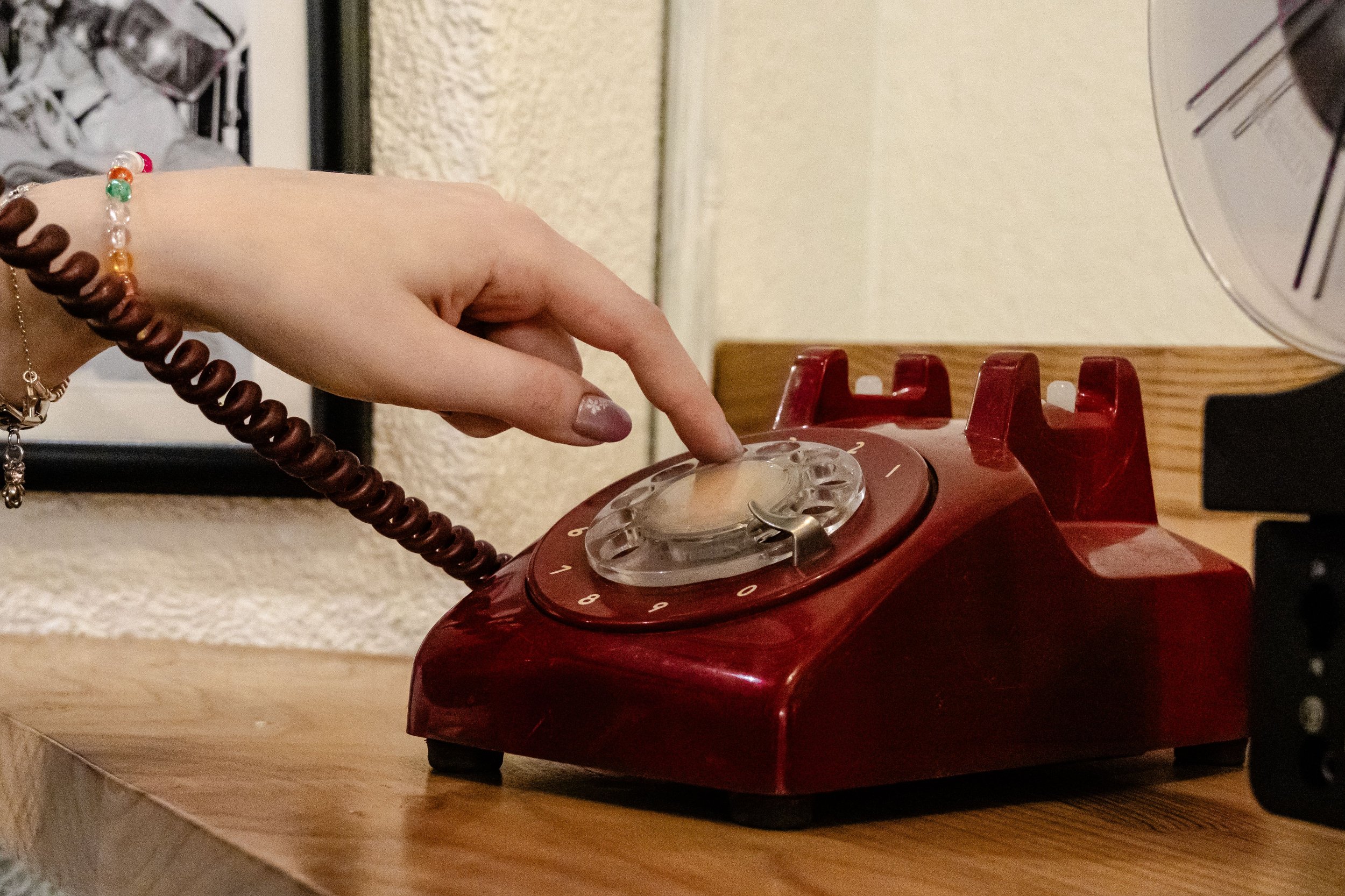
A Virginia executor called back a number that had been ringing his cellphone for months. An AI voice answered: "this is Nadine with FSG." He asked for a human so he could tell them to stop calling.
What he got instead: "all three attempts failed. 429: you've exceeded your current quota. Please check your plan and billing detail. For more information on this error, read the docs at: https://platform.openai.com."
(Somewhere, an AI voice product manager just felt a chill.)
On October 1, 2026, Senior U.S. District Judge Norman K. Moon ruled on the motions to dismiss in Lowrey v. Twilio, Inc., No. 6:25-cv-00116, 2026 WL 2958730 (W.D. Va. Oct. 1, 2026). We covered the complaint when it was filed. Now we have a ruling.
The headline is not that the telephony provider stayed in the case. Twilio has been here before. The headline is that the model provider stayed in too.
The court held the complaint plausibly alleges that OpenAI "made" and "initiated" the calls under the TCPA. Not the seller. Not the carrier. The company that supplied the voice.
Read that again.
What Happened
These are the facts as alleged, which the court must accept as true at this stage.
William Lowrey became executor of his father's estate in December 2024. Starting March 18, 2025, he received dozens of unsolicited texts marketing probate services. On August 14, 2025, he got a voicemail from "Emma" (who, he noticed, sounded artificial) asking him to call back because she had "noticed [he was] representing an estate." The callback number was listed on the website of a company called ProbateCURES. Three more calls followed in October and November 2025.
When he called back, "Nadine with FSG" explained that the company helps people with properties going through probate. When he asked for a representative to make the calls stop, he got the 429 error.
Lowrey filed a putative class action against Fresh Start Group, LLC (FSG), Twilio, and OpenAI. Eleven counts under the TCPA and the Virginia Telephone Privacy Protection Act (VTPPA). His theory: FSG was the seller. Twilio supplied the numbers and placed the calls. OpenAI generated the messages and supplied the artificial voice.
(The family-owned web of companies behind FSG is its own story. The court denied FSG's "you sued the wrong company" summary judgment motion on a reverse veil-piercing theory, in part because one personal credit card paid the bills for all of them. Run your companies like separate companies, folks.)
The Defense: We Each Only Did Half the Job
Both platforms argued they never "made" or "initiated" anything.
Twilio said it had no control over the content of the messages, or when and to whom they were sent. OpenAI said its artificial voice technology didn't engage until after the call was answered.
The court summarized it this way: "Essentially, Twilio and OpenAI argue that because they divided the traditional functions of a 'telemarketer' or 'robo-caller' between them, neither should face TCPA liability."
The court's answer: "Not so."
The Ruling: Telemarketers, "the 21st Century Version"
The plain-meaning test
The TCPA doesn't define "make" or "initiate." So the court went to the dictionary, following Howard v. Republican National Committee, 164 F.4th 1119 (9th Cir. 2026).
"Make" means "to cause to exist, occur, or appear; bring to pass; create; cause."
"Initiate" means "to begin or set going; make a beginning of; perform or facilitate the first actions, steps, or stages of."
Facilitate the first actions. That phrase does the heavy lifting in this opinion.
Courts generally hold that direct liability under § 227(b) does not reach sellers who don't personally make the calls. It reaches the telemarketers acting on their behalf. Golan v. FreeEats.com, Inc., 930 F.3d 950, 960 (8th Cir. 2019). Lowrey cast FSG as the seller and Twilio and OpenAI as the telemarketers.
The court accepted that framing at the pleading stage. The complaint alleged that Twilio published multiple guides on integrating its platform with OpenAI to make phone calls, and that "for such calls to work, both Twilio and OpenAI must be used." Working together, the platforms place the call and supply the voice that engages the consumer. So, in the court's words, they are telemarketers, "the 21st century version of them."
Why OpenAI stays in
The court was candid that the statutory hook is "arguably stronger for Twilio," because Twilio provides the numbers and dials. (Twilio has litigated this question before. See Wick v. Twilio Inc., 2017 WL 2964855 (W.D. Wash. July 12, 2017).)
But, the court found "an adequate statutory basis to hold OpenAI liable for lending its technology to telemarketing calls." By providing the artificial voice and responding to the consumers who answer, OpenAI "facilitate[s] the first actions, steps, or stages of" the call. And "Twilio's act of dialing the number would prove fruitless without OpenAI's technology that engages with the consumer on the other end of the call."
Translated for 2026: if your model is the thing that talks, you may be the thing that calls.
Twilio's own website did some of the work
The court pointed to Twilio's service terms ("If you use the Twilio Voice Services to place telemarketing or advertising voice calls, you must do the following") and to its homepage, which says Twilio "makes" calls for its customers.
Your marketing copy is not just marketing copy. It is evidence of your role.
Why This Matters for AI Voice Platforms
Here's the part most AI voice founders are missing: the "we're just infrastructure" argument assumes liability lives with whoever pressed go. Lowrey looks at the whole stack instead.
A modern AI voice call runs on layers. Telephony (numbers, SIP trunking, dialing). Orchestration (the platform that configures the agent, loads the list, and schedules the campaign). The model and voice (the LLM, the text-to-speech, the realtime speech engine). The seller buys all of it.
Under Lowrey's reasoning, any layer that facilitates the first steps of the call may be a "maker" or "initiator." Splitting the telemarketer's job across vendors didn't split the liability. It multiplied the defendants.
And the math gets loud. A call to a cellphone using an artificial or prerecorded voice without prior express consent violates § 227(b)(1)(A)(iii). Statutory damages under § 227(b)(3) run $500 per call, up to $1,500 if willful. Per call. Across a putative class.
One more thing worth sitting with. OpenAI sits further from the dial than Twilio does, and it still stayed in. Orchestration platforms that load the lists, set the cadence, and write the scripts sit closer to the call than a model provider. If the theory reaches OpenAI, it may reach them with less effort.
Two More Holdings AI Voice Operators Should Not Skip
A two-step solicitation is still a solicitation
Twilio and OpenAI argued the calls weren't "telephone solicitations" under § 227(a)(4). The calls just noted Lowrey was representing an estate and suggested he call for more information.
The court disagreed: "Telemarketers cannot insulate themselves from TCPA liability by dividing a solicitation into a two-step process." Otherwise, anyone could side-step the statute by saying "we hear you're looking for [insert good or service], please call this number for more information."
If your agent's opening script is "we noticed X, give us a call back," and the purpose is to sell, it is a solicitation.
Your terms of service won't end the case early
Both platforms argued their terms of service established "reasonable practices and procedures" to prevent violations, which is an affirmative defense under § 227(c)(5). The court held that defense isn't "obvious from the face of the complaint," so it's premature at the motion to dismiss stage. Twilio and OpenAI can raise it again at summary judgment.
Your terms buy you an argument later, after discovery. They don't buy you a dismissal.
What the Court Threw Out
Lowrey didn't win everything. The court dismissed:
- Do-not-call claims based on texts. Following Steidinger v. Blackstone Medical Services, 182 F.4th 532 (7th Cir. 2026), the court held § 227(c)(5) covers "telephone calls," not text messages. This has become a very popular position for courts to take lately.
- Federal do-not-call claims for cellphones. The court held § 227(c) protects "residential telephone subscribers," meaning residential landlines, not cellphones.
- Identification and opt-out claims under 47 C.F.R. § 64.1200(b)(1) and (b)(3). Those rules were promulgated under § 227(d), which has no private right of action. (So the 429 error itself is not a federal claim. It's just a terrible exhibit.)
- The VTPPA failure-to-identify claim. "Emma from ProbateCURES" was enough. Requiring the calls to identify FSG, Twilio, and OpenAI was "a bridge too far."
But, here is what survived: the § 227(b)(1)(A)(iii) artificial voice claims against Twilio and OpenAI, the Virginia do-not-call claims under Va. Code § 59.1-514, and the class allegations (OpenAI's motion to strike was denied as premature). The court also noted that a new class representative with a residential line could revive some of the dismissed counts.
What This Ruling Is (and Isn't)
This is a motion to dismiss ruling. The court took the allegations as true and found them plausible. No one has been found liable. It is one district court, not an appellate decision, and other courts may read "make" and "initiate" more narrowly. Expect the platforms to press these arguments again on a real factual record.
But, you don't want to be the named defendant in the case that makes new law. And right now, this is the case on the books.
What to Do Monday
If you build or sell AI voice technology:
- Map your stack and your place in it. Who dials? Who speaks? Who picks the list? Who sets the schedule? Write it down, because a plaintiff's lawyer will.
- Know your outbound use cases. If customers use your platform for telemarketing, you need to know which ones, and on what consent.
- Read your website and developer docs like the plaintiffs' bar will. Integration guides and "we make calls" copy showed up in this opinion.
- Treat your terms as evidence, not a shield. Consent representations in the contract matter more when there's monitoring and enforcement behind them.
- Build an opt-out that doesn't depend on billing. No federal private claim for § 64.1200(b)(3) today. But, a stop request that dies on a quota error is not the story you want a jury to hear.
- Confirm consent for artificial voice calls to cellphones. That's the claim that survived. If your customer can't produce proper consent, you may be the one answering for it.
If you're the seller deploying AI voice: your vendors being in the case doesn't get you out of it. FSG is still in.
FAQ
Did the court find OpenAI liable under the TCPA? No. The court held only that the complaint plausibly alleges OpenAI "made" and "initiated" the calls. The claims proceed to discovery.
Can an AI voice provider "make" or "initiate" a call under the TCPA? In Lowrey, the court said yes at the pleading stage, where the provider supplies the artificial voice that engages the consumer. Other courts may disagree, and no appellate court has decided it.
Does the TCPA's do-not-call provision apply to text messages? The Seventh Circuit and several district courts say text messages are not covered under the DNC, and Lowrey followed them. The Fourth Circuit has not decided the question.
Do a platform's terms of service protect it from TCPA claims? Not at the motion to dismiss stage in Lowrey. The court said the terms-based defense must wait for summary judgment.
Not sure where your AI voice stack puts you on the "maker" spectrum? That's a 30-minute conversation worth having before a plaintiff's lawyer has it for you. We run flat-fee AI Voice Compliance Audits for AI voice platforms and the companies that deploy them. Don't hesitate to reach out.
FAQ
Did the court find OpenAI liable under the TCPA? No. The court held only that the complaint plausibly alleges OpenAI "made" and "initiated" the calls. The claims proceed to discovery.
Can an AI voice provider "make" or "initiate" a call under the TCPA? In Lowrey, the court said yes at the pleading stage, where the provider supplies the artificial voice that engages the consumer. Other courts may disagree, and no appellate court has decided it.
Does the TCPA's do-not-call provision apply to text messages? The Seventh Circuit and several district courts say text messages are not covered under the DNC, and Lowrey followed them. The Fourth Circuit has not decided the question.
Do a platform's terms of service protect it from TCPA claims? Not at the motion to dismiss stage in Lowrey. The court said the terms-based defense must wait for summary judgment.
Not sure where your AI voice stack puts you on the "maker" spectrum? That's a 30-minute conversation worth having before a plaintiff's lawyer has it for you. We run flat-fee AI Voice Compliance Audits for AI voice platforms and the companies that deploy them. Don't hesitate to reach out.
